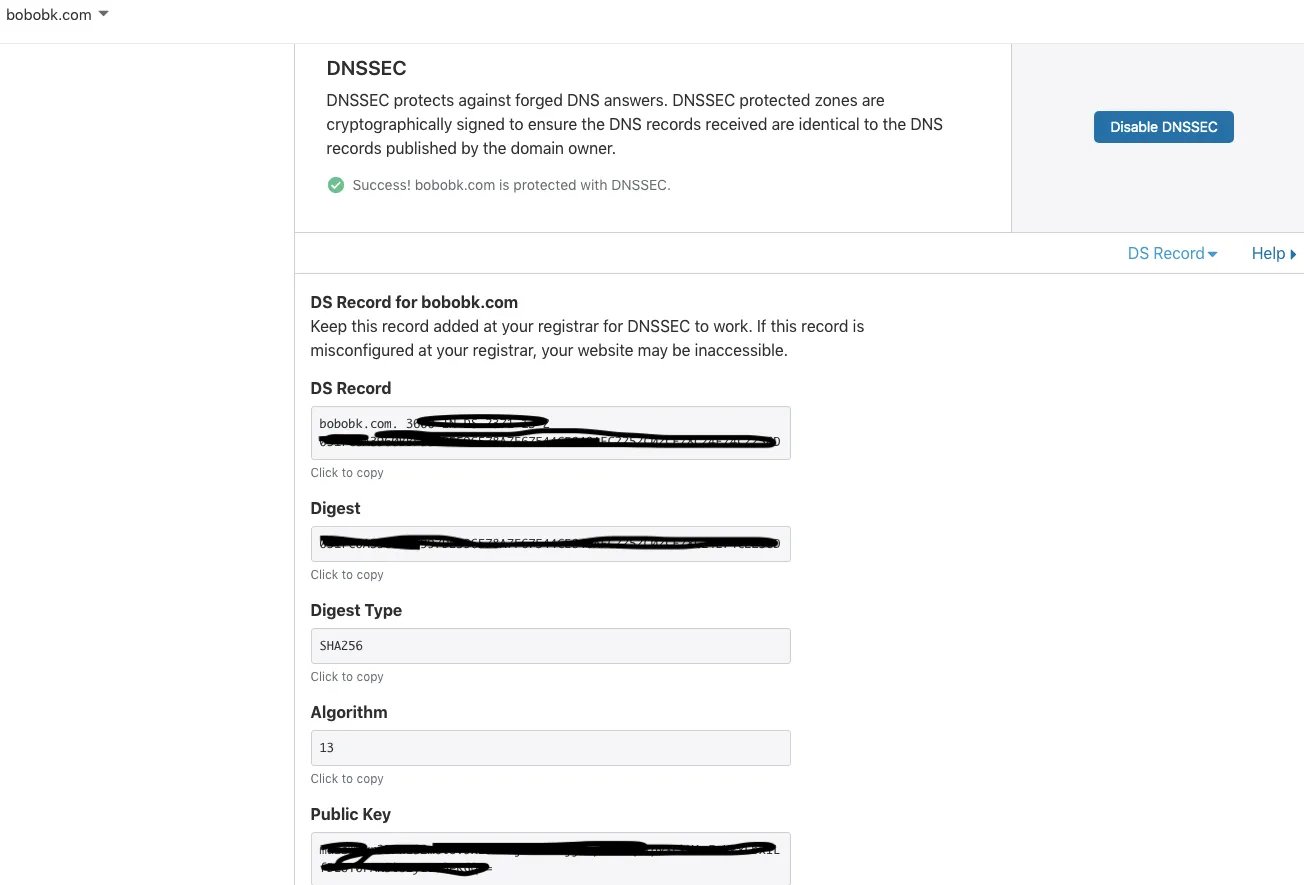
Enable DNSSEC for Aliyun Domain to Prevent DNS Hijacking
While using Cloudflare daily, I found the free DNSSEC under DNS was not enabled. How can that be? Let’s first see what DNSSEC is.……
春江暮客的个人学习分享网站
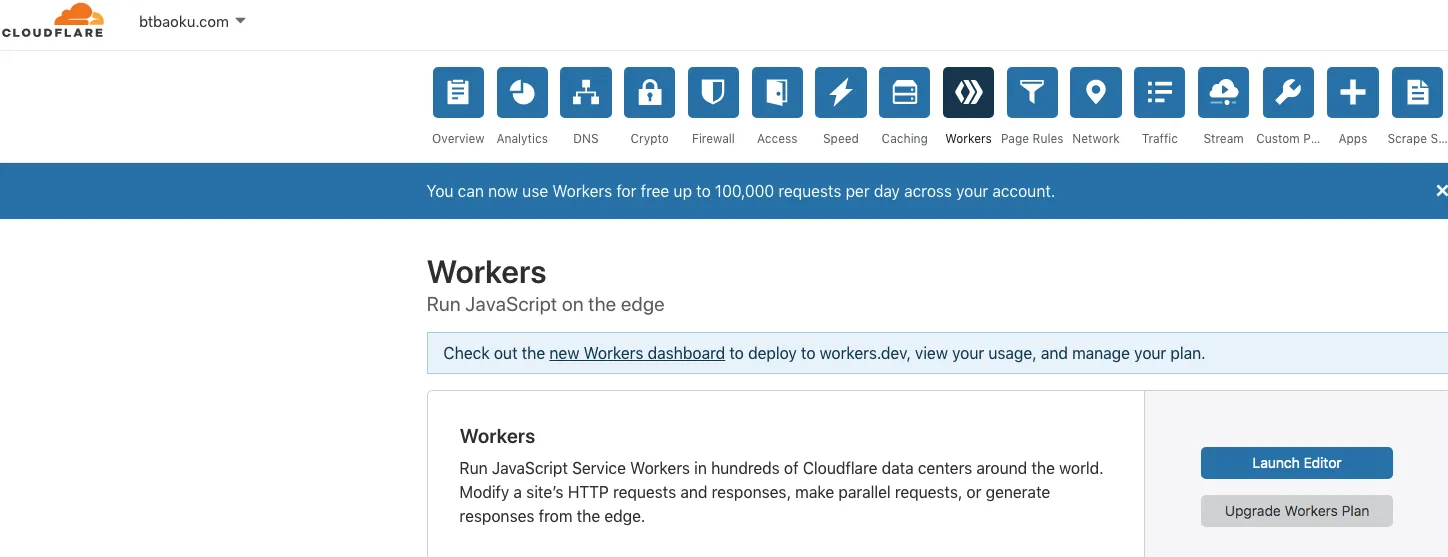

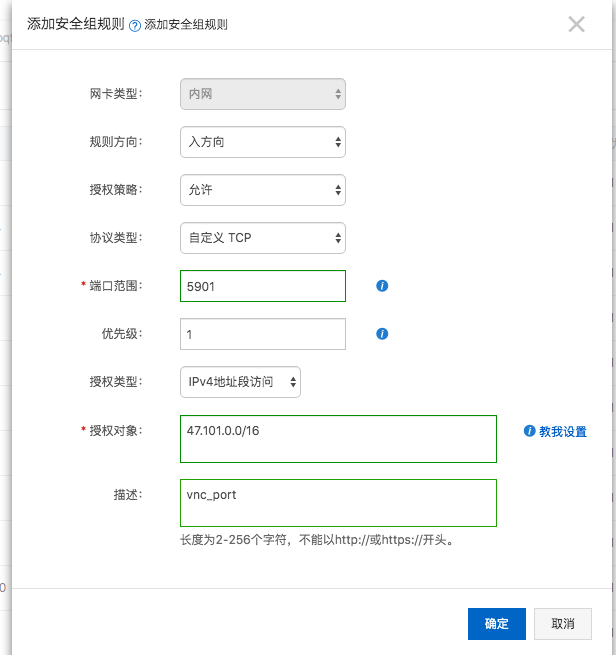
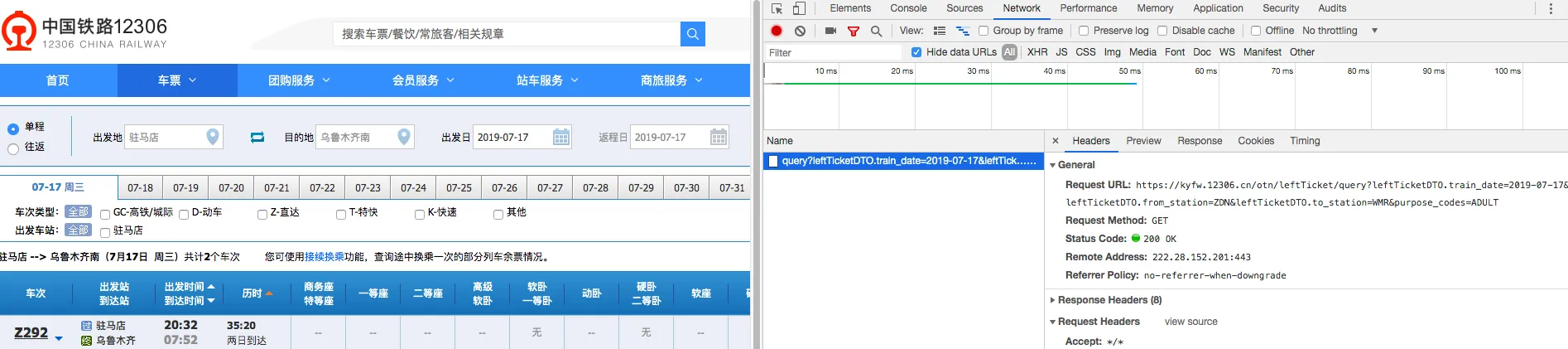
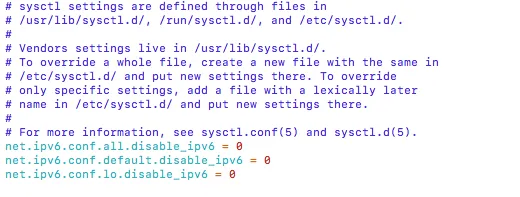


Due to a new environment where the router does not support installing Shadowsocks or V2Ray, accessing Google to search vast technical content in English is not possible. Here, we use the official Google mirror container to build a Google mirror site and map it to our existing domain.
google.bobobk.com as the Google mirror domain.Steps to build the mirror site:
Since I use Cloudflare CDN, I’ll use it as an example.
……
Writing web crawlers often leads to problems like IP bans or rate limits. Having an efficient IP proxy pool is quite important. Here, we introduce how to extract valid IPs from public proxy sources and build your own efficient crawler proxy pool.
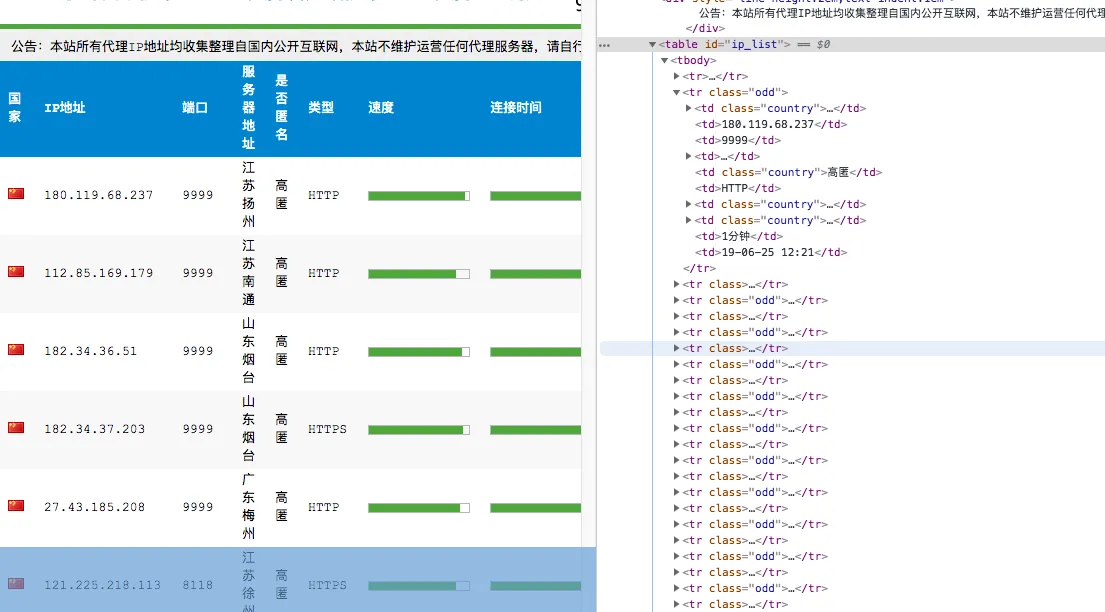
requests to crawl proxiesrequests, using xici as an exampleAnonymous proxy page: xici, inspect elements.
Each proxy is contained in a tr under the element with id ip_list, and detailed info is under td. Therefore, the CSS selector can be
content.css("#ip_list").css(“tr”), then extract the 1st and 6th elements.
Later, we add IP availability checking logic, and store successful ones into a JSON file. After that, available proxy information can be accessed via HTTP.
#!/root/anaconda3/bin/python

from scrapy.selector import Selector
import redis
import requests
import json
import requests
from requests.packages.urllib3.exceptions import InsecureRequestWarning
requests.packages.urllib3.disable_warnings(InsecureRequestWarning)
import random

def get_headers():
    USER_AGENT_LIST = [
    'Mozilla/4.0 (compatible; MSIE 7.0; Windows NT 5.1; WOW64; Trident/4.0; SLCC2; .NET CLR 2.0.50727; .NET CLR 3.5.30729; .NET CLR 3.0.30729; Media Center PC 6.0; 360SE)',
    'Mozilla/5.0 (Macintosh; Intel Mac OS X 10_13_6) AppleWebKit/537.36 (KHTML, like Gecko) Chrome/74.0.3729.169 Safari/537.36',
    'Mozilla/4.0 (compatible; MSIE 6.0; Windows NT 5.1; WOW64; Trident/4.0; SLCC2; .NET CLR 2.0.50727; .NET CLR 3.5.30729; .NET CLR 3.0.30729; .NET4.0C; .NET4.0E; 360SE)'
    'Mozilla/5.0 (Windows NT 10.0; Win64; x64) AppleWebKit/537.36 (KHTML, like Gecko) Chrome/64.0.3282.140 Safari/537.36 Edge/18.17763',
    '"Mozilla/5.0 (Linux; Android 6.0.1; Nexus 5X Build/MMB29P) AppleWebKit/537.36 (KHTML, like Gecko) Chrome/41.0.2272.96 Mobile Safari/537.36',
    'Mozilla/5.0 (Windows NT 10.0; WOW64) AppleWebKit/537.36 (KHTML, like Gecko) Chrome/58.0.3029.110 Safari/537.36 SE 2.X MetaSr 1.0',
    ]
    USER_AGENT = random.choice(USER_AGENT_LIST)
    return {'User-Agent':USER_AGENT}

def get_random_proxy():
    https_pro=[i for i in pro if "https" in i]
    if len(https_pro)==0:
        return None
    else:
        return https_pro[random.randint(0,len(https_pro))]

def crawl_ip():
    for i in range(5):
        rand_ip = get_random_proxy()
        if rand_ip:
            r =requests.get('https://www.xicidaili.com/nn/{}'.format(str(i+1)),headers=get_headers())
        else:
            r =requests.get('https://www.xicidaili.com/nn/{}'.format(str(i+1)),headers=get_headers(),proxies=proxies_ip(rand_ip))
        content = Selector(r)
        ip_list = content.css("#ip_list").css("tr")
        for i in ip_list[1:]:
            info = i.css("td::text").extract()
            ip = info[0]
            protoco = info[5].strip().lower()
            if protoco=="http" or protoco=="https":
                url = protoco + '://' + ip + ':' + info[1]
            else:
                url = 'http://' + ip + ':' + info[1]
            validate_ip(url)

def proxies_ip(url):
    if 'https' not in url:
        proxies={'http':url}
    else:
        proxies={'https':url}
    return proxies

def validate_ip(url):
    proxies = proxies_ip(url)
    if url not in pro:
        bobo_url=http_url
        if "https" in url:
            bobo_url=https_url
        try:
            r = requests.get(bobo_url, headers=get_headers(), proxies=proxies, timeout=1)
            pro.append(url)
            print('ip %s validated' % url)
        except Exception as e:
            print('cant check ip %s' % url)

def check_current_ip(): # Update and check usable proxies
    curr = open(JSON_PATH).read()
    if curr!='':
        for url in json.loads(open(JSON_PATH).read()):
            validate_ip(url)

if __name__ =='__main__':
    http_url = "http://www.bobobk.com"
    https_url = "https://www.bobobk.com"
    pro = []
    TXT_PATH = '/www/wwwroot/default/daili.txt'
    JSON_PATH='/www/wwwroot/default/daili.json'
    PROXYCHAIN_CONF='/www/wwwroot/default/proxy.conf'
    check_current_ip()
    crawl_ip()

    with open(JSON_PATH,'w') as fw:
        fw.write(json.dumps(list(set(pro))))
    fw.close()

    with open(TXT_PATH,'w') as fw:
        for i in set(pro):
            fw.write(i+"n")
    fw.close()
Before each page fetch, the script checks for usable proxies, and automatically uses them to fetch new ones. This setup can run stably.
……
Counter, pretty JSON output, and a lightweight XML-RPC example.……
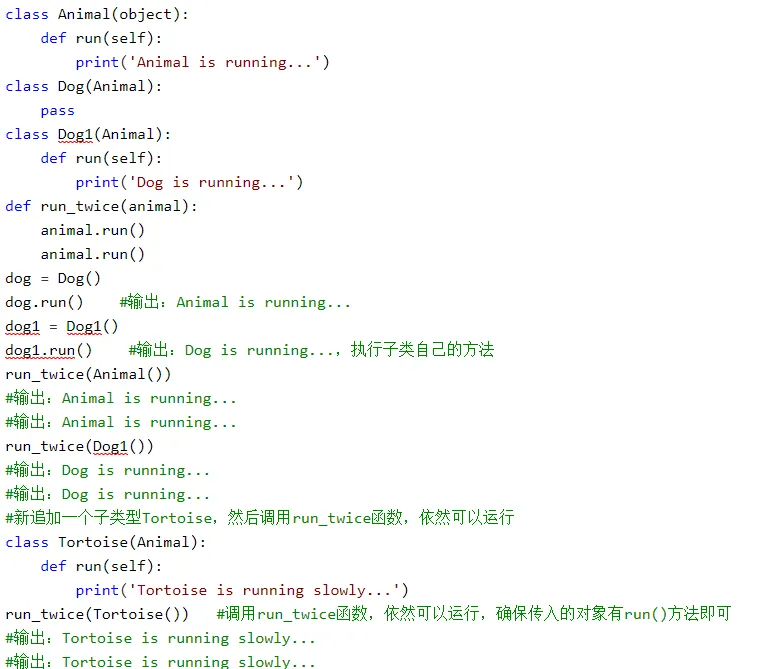
isinstance(), and duck typing in Python with a simple Animal and Dog example.……